
Understanding the Allure of Slot Machines
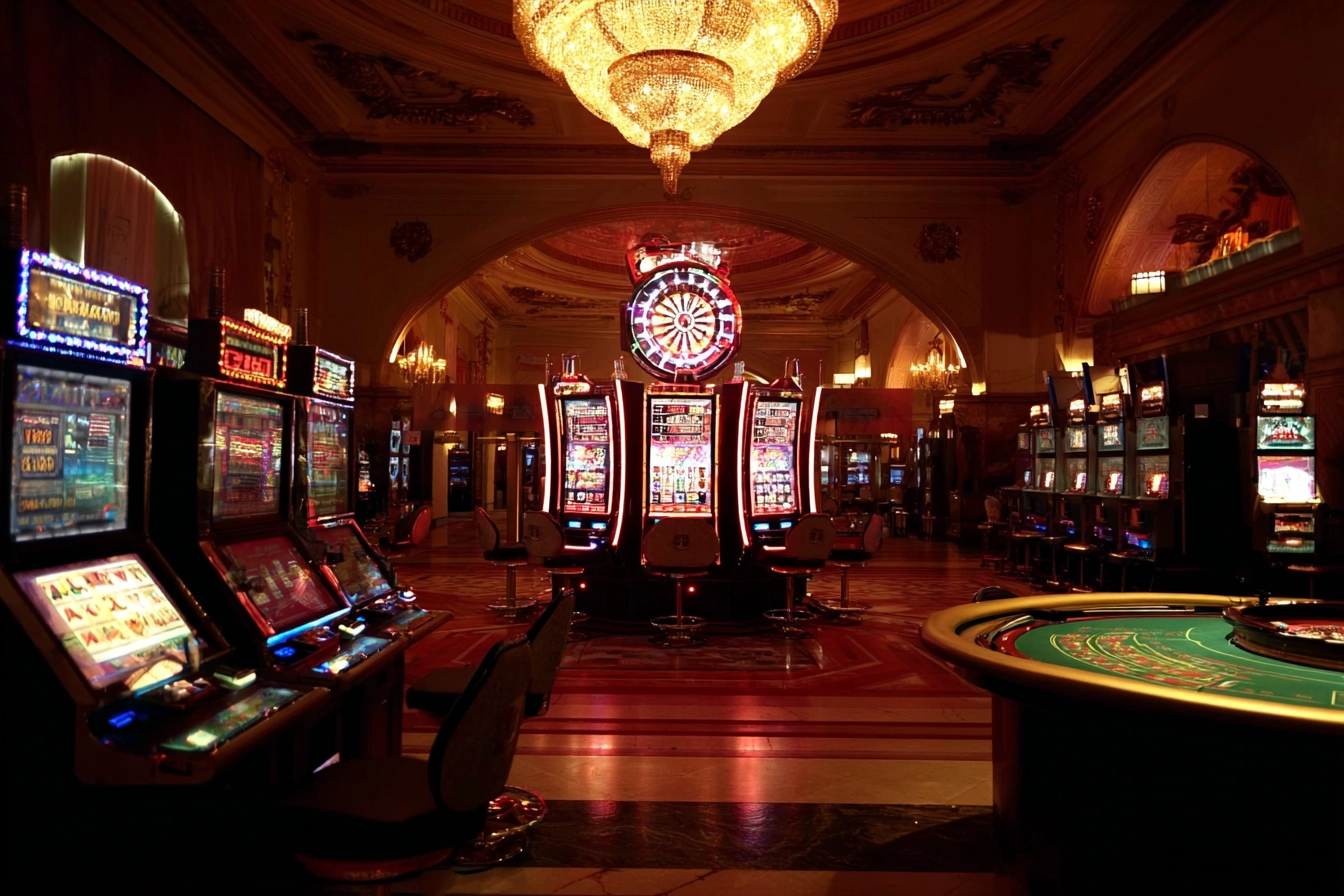
Have you ever found yourself captivated by the flashing lights and sounds of a slot machine? You’re not alone. The allure of slot machines is a topic of significant interest, especially when considering why they are so addictive. In this article, we’ll delve into the mechanisms behind their appeal and discuss whether slot machines are truly random or programmed.
The Psychology Behind Slot Machine Addiction
Slot machines are designed to be enticing, combining bright lights, engaging soundscapes, and the thrill of potential reward. These elements work together to create an environment that can be highly addictive. This is often attributed to the concept of intermittent reinforcement, a powerful psychological principle where rewards are given at unpredictable intervals, keeping players engaged and hopeful.
Intermittent Reinforcement and Player Engagement
The unpredictability of when a player might win keeps them spinning the reels. This gambling mechanism takes advantage of our brain’s reward system, releasing dopamine—a neurotransmitter associated with pleasure and reward—every time a player wins or even comes close to winning. This cycle can lead to repeated play and potential addiction.
Are Slot Machines Random or Programmed?
A common question is whether slot machines are random or programmed. The truth is, slot machines use a Random Number Generator (RNG) to determine the outcome of each spin. This RNG ensures that every spin is independent and random, offering a fair chance at winning. However, the payout percentages and odds are built into the machine’s programming, influencing the long-term probability of winning, which can be perceived as being ‘programmed’ to ensure the casino’s profitability.
Understanding RNGs and Payout Percentages
The RNG operates continuously, even when the machine is not being played. When a player presses the spin button, the RNG selects a random number that corresponds to a combination on the reels. While the results are random, the programmed payout percentage determines how much of the total money wagered on the machine will be paid back to players over time.
The Role of Responsible Gaming
It’s crucial to recognize the potential risks associated with slot machine play. Understanding the addictive nature and the randomness of slot machines can help players make informed decisions. Here are some tips for responsible gaming:
- Set a Budget: Determine a gambling budget before you start playing and stick to it.
- Time Management: Set a time limit for your gaming sessions to avoid excessive play.
- Know When to Stop: If you find yourself chasing losses or feeling compelled to play, it might be time to take a break.
- Self-Exclusion Tools: Consider using self-exclusion tools or setting limits through your gaming platform to manage play responsibly.
When the Strategy Fails
Slot machines are inherently unpredictable, and no strategy can guarantee a win. Believing that you can ‘beat’ the machine by playing at certain times or manipulating bets is a misconception. Strategies often fail because slot machines are designed to favor the house over the long term. It’s essential to play for entertainment and not as a means of income.
Common Misconceptions
One of the most common misconceptions is that a machine is ‘due’ for a payout. This belief can lead to prolonged play and increased losses. Remember, each spin is independent, and past outcomes do not influence future results.
Conclusion: The Balance Between Fun and Risk
While slot machines can provide entertainment and excitement, it’s important to understand the psychological and programmed elements that contribute to their addictive nature. By approaching play with knowledge and caution, you can enjoy the thrill while minimizing potential risks. Always prioritize responsible gaming and recognize the signs of addiction to ensure a healthy gaming experience.

